


A virtual trail that circles the salt marsh. It allows for close-up observation of transitional flora, such as glasswort, and features interactive birdwatching stations for local avifauna.
The sandy strip and dune system that separates the lagoon from the Adriatic Sea. The tour offers views that demonstrates the delicate hydrodynamic balance between tides and lagoon waters, focusing on coastal erosion and dune vegetation .
The beating heart of the local community, historically linked to fishing and agriculture. The tour includes a virtual walk through the streets of the center, collecting oral histories (spatial audio) about life before and after the reclamation.
A fundamental work of hydraulic engineering. The virtual tour explores the waterway that drains the hinterland, with infographics explaining the historical functioning of the pumping stations and the reclamation process of the ancient marshes.
An extraordinary example of Fascist-era rural architecture, born with the Agrarian Reform. The virtual reconstruction highlights the rationalist style of the buildings, the central church, and the geometric organization of the farming village.
A leap to the Ionian coast. The site combines the exterior view of the 16th-century coastal tower with a virtual immersion to explore the marine and archaeological finds preserved in the surrounding rocky seabed, in stark geomorphological contrast to the sand of Frigole.
The most important natural attraction in the area and the only major coastal wetland between the Po Delta and Gargano. It covers around 180 hectares and hosts migratory birds, salt meadows, wetlands, and dune ecosystems. Ideal for eco-tourism, photography, and educational tours.
Water ponds used as bird observation areas where visitors can spot herons, ducks, and migratory species.
A rare back-dune wetland habitat featuring reeds, amphibians, and native vegetation.
Where the Tronto River meets the Adriatic Sea. A scenic natural area ideal for birdwatching and landscape photography.
A wooden conservation structure created to protect local bat populations and improve biodiversity awareness.
Old agricultural buildings that tell the story of the historical rural landscape before modern urban development.
A famous seaside promenade lined with thousands of palm trees, gardens, bike lanes, and beach clubs
A quieter coastal area with direct access to beaches and cycling routes leading toward the Sentina Reserve.
A long and safe cycling route suitable for families and sustainable tourism experiences.
Panoramic stop overlooking both the Adriatic coastline and the nearby natural reserve.
Museum of Adriatic Zoology
Museum of Lagoon South
Museum of Little Lagoon Pellestrina
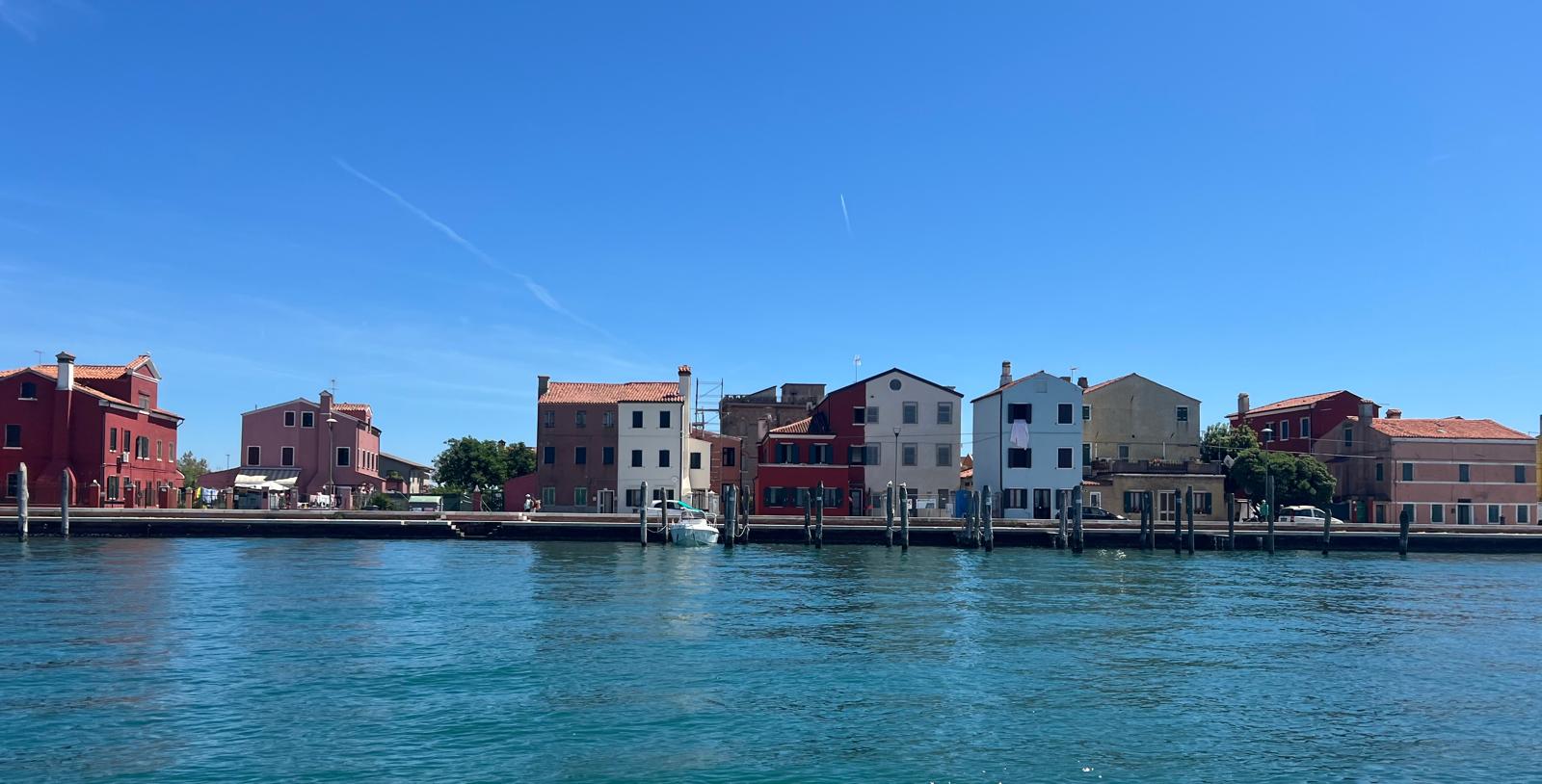
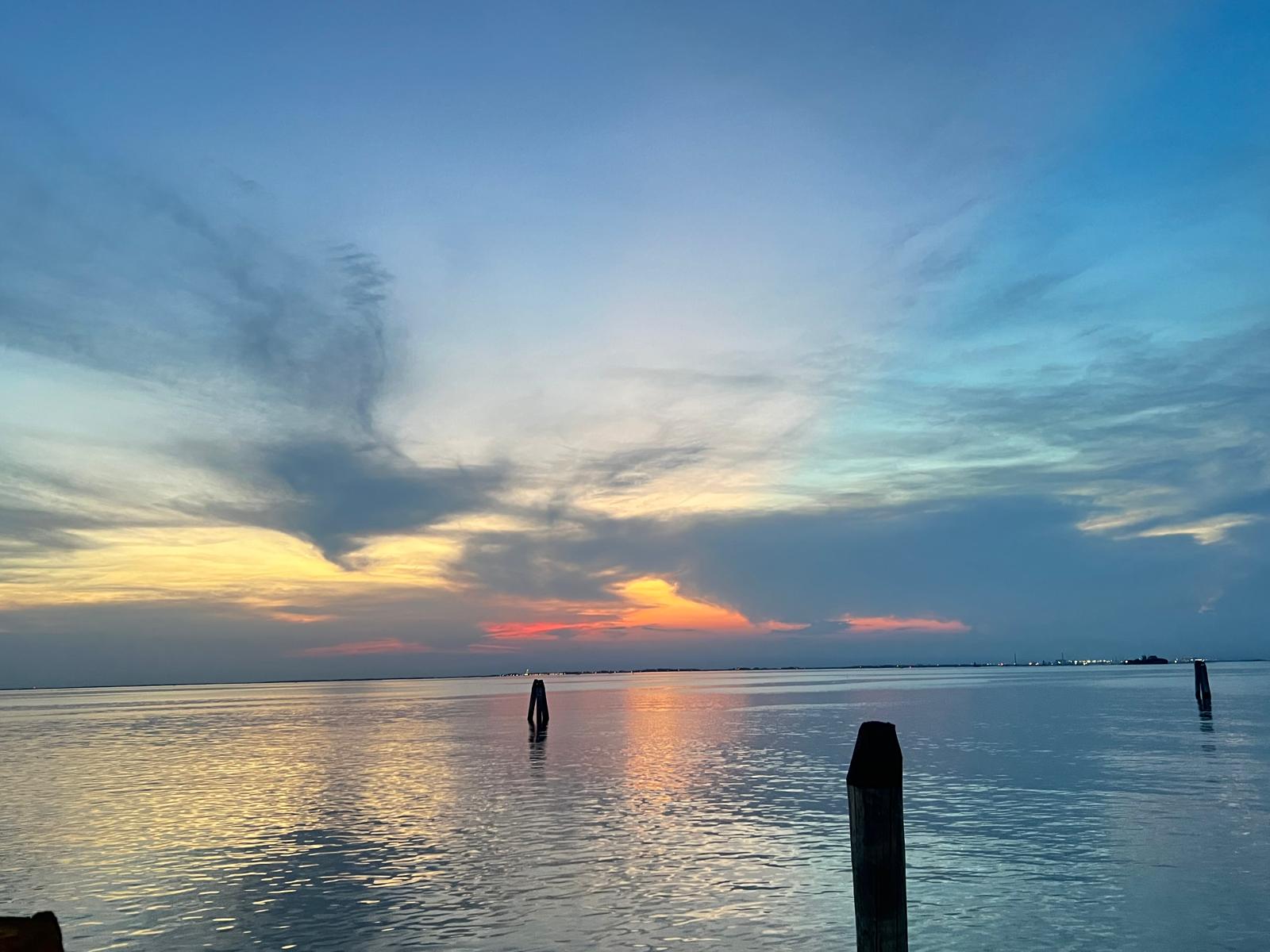
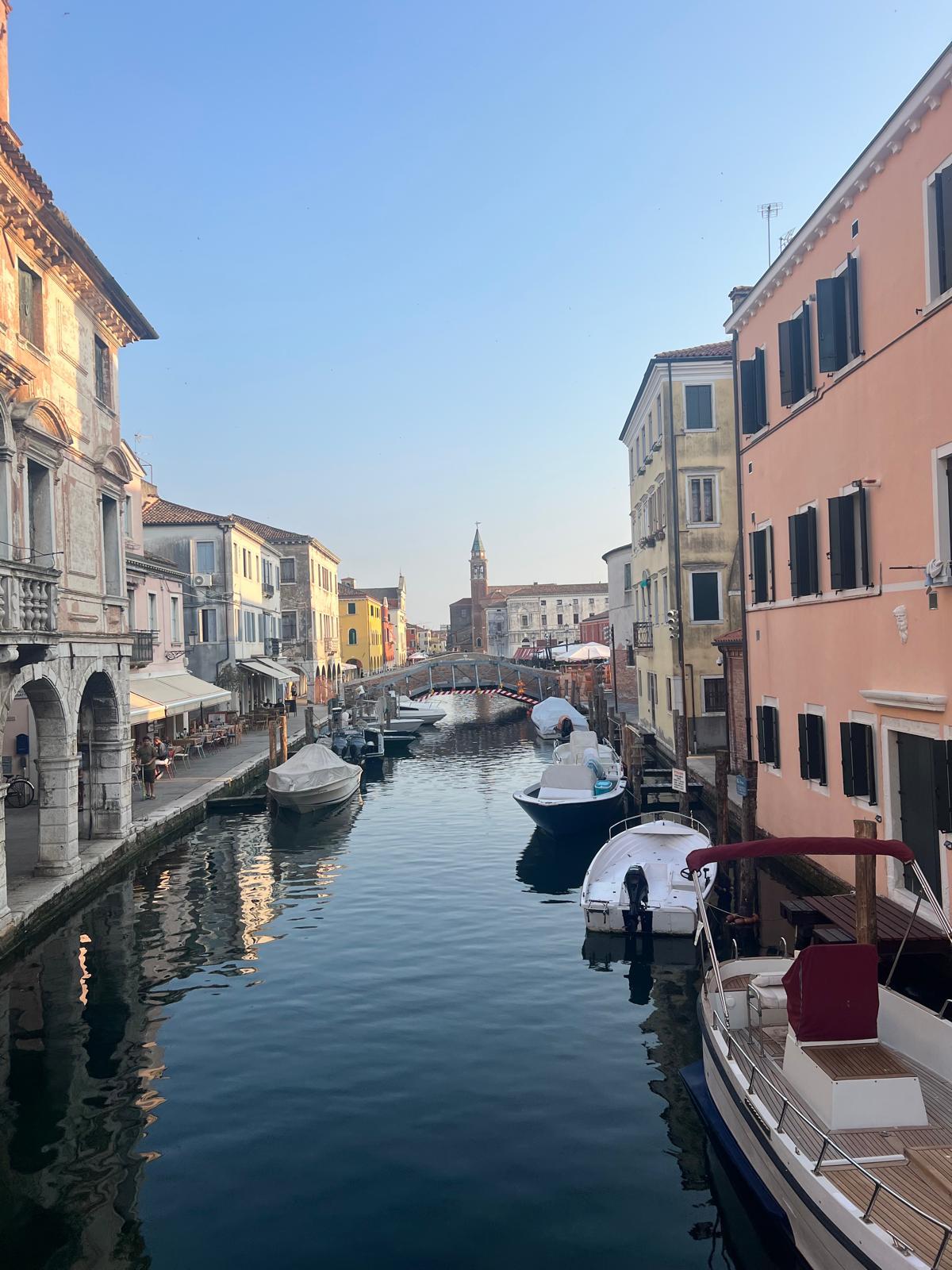
Structure typical of the area to protect the environment and built environment in between the lagoon and the adriatic sea.
WWF Protected area.
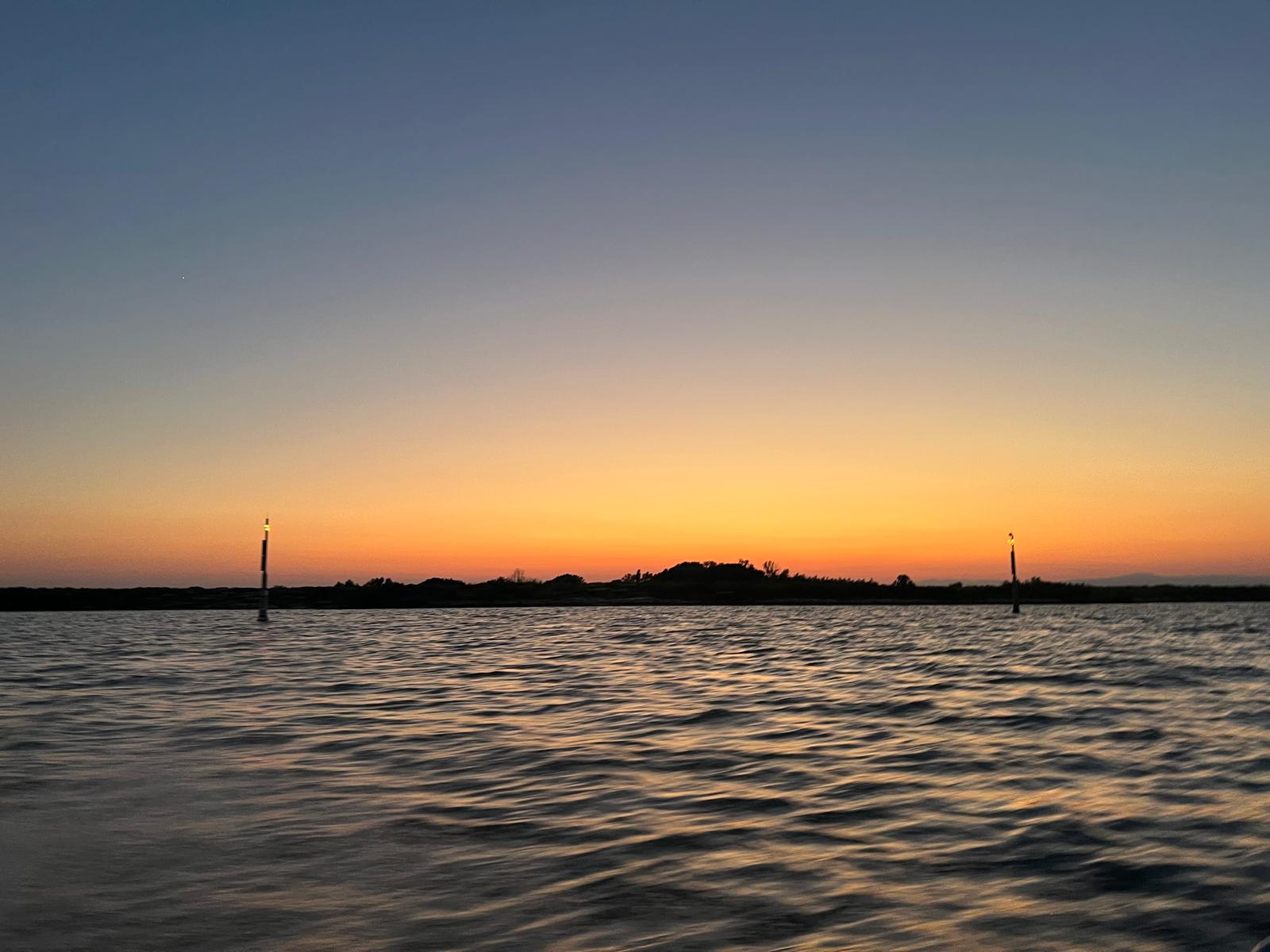
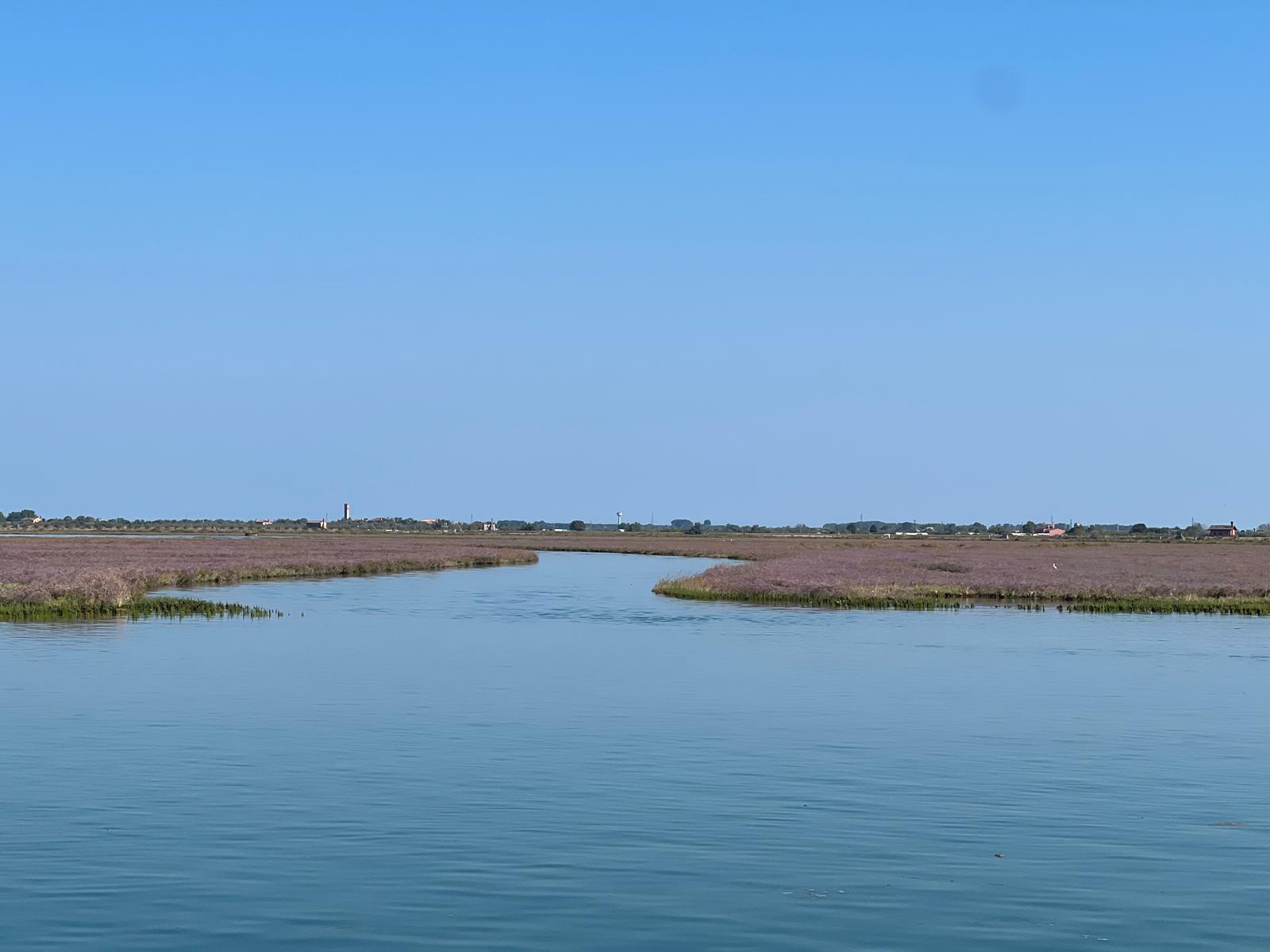
The Ston Saltworks are the oldest active saltworks in Europe, where sea salt has been produced using traditional methods for more than 700 years. Together with the Ston Channel and the fertile Ston Field, they form a unique cultural landscape shaped by the interaction of nature and human activity.
The historic centres of Ston and Mali Ston preserve a rich cultural heritage dating back to the medieval period. Key landmarks include the Veliki Kaštio Fortress, the Rector's Palace, St. Blaise Church, and the well-preserved urban layout that reflects the historical importance of the area within the Republic of Dubrovnik.
The Ston Walls are among the longest preserved fortification systems in Europe, built in the 14th and 15th centuries to protect the saltworks and the Pelješac Peninsula. Visitors can walk along the restored walls between Ston and Mali Ston, enjoy panoramic views from Podzvizd Hill, and explore a section of Napoleon's Road leading to St. Michael's Church.
Numerous small islets scattered throughout Mali Ston Bay contribute to the area's exceptional landscape and ecological diversity. They provide important habitats for marine and coastal species while enhancing the scenic value of the bay.
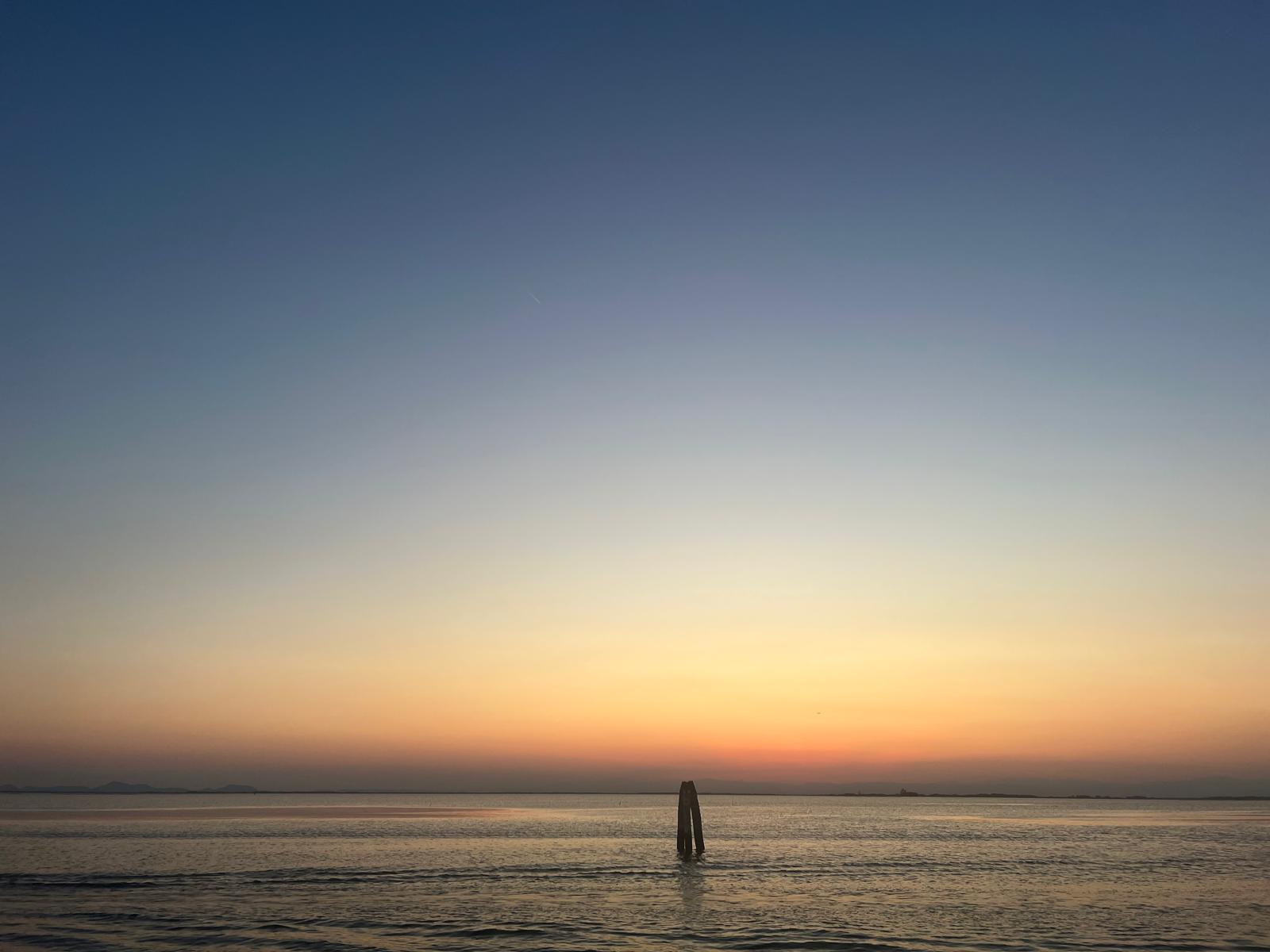
Traditional wooden shellfish farming structures represent the long-standing mariculture heritage of Mali Ston Bay. These wooden platforms and supports illustrate centuries-old oyster and mussel farming practices that continue to shape the identity and economy of the region.
The coastal settlements of Sreser, Drače, and Sutvid are closely connected to the maritime traditions of the Pelješac Peninsula. Surrounded by clear waters, shellfish farms, and Mediterranean landscapes, they offer insight into the region's natural beauty, cultural heritage, and sustainable way of life.